
Just walk: Why Walking Is the Simplest Way to Feel Better
Written by: Mandy Moore, PTA
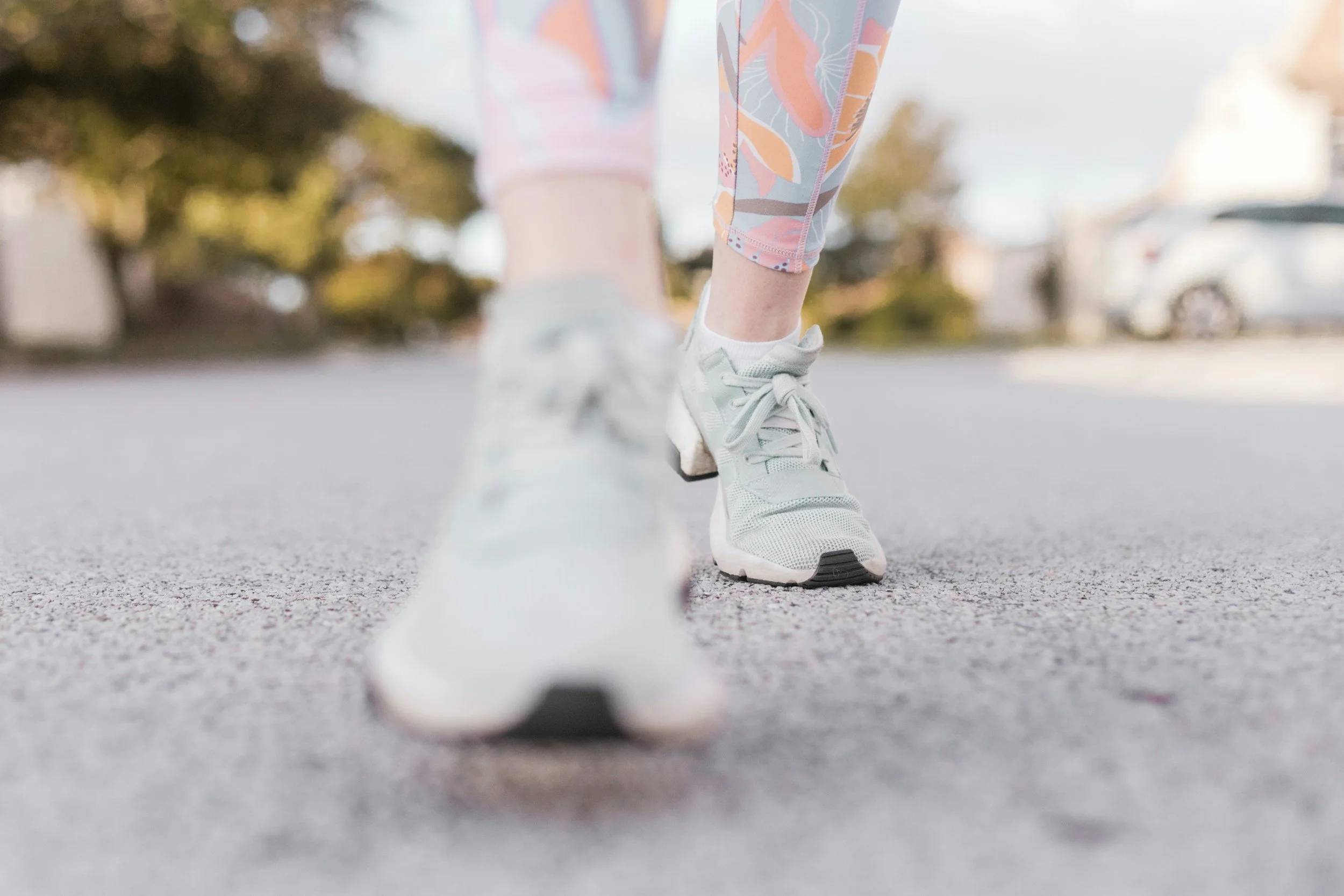
Walking is easy to overlook because it feels so ordinary and we often take our ability to walk and move for granted. You do not need a gym membership, special equipment, or a complicated plan. You only need to get up, a little time, and a willingness to begin. Whether you stroll up and down your hallway, around your home, to the mailbox, the end of your drive way, around the block, a walk during lunch, or take a quiet path after dinner, walking has more benefits than you realize and you can start small no matter your physical ability.
Let’s talk a moment about sitting.
The average American sits up to 9.5 hour A DAY! Too much sitting can lead to increased cardiovascular disease, diabetes, osteoporosis, muscle weakness leading to pain and poor balance increasing fall risk especially for aging adults.
A brisk walk counts as moderate-intensity physical activity, and health guidance commonly recommends at least 150 minutes of moderate activity each week for adults to counter act too much sitting. That can be as simple as 30 minutes a day, five days a week. BUT the best part is that the time does not have to happen all at once: a few shorter walks can still add up and truly something is better than nothing.
The Everyday Benefits of Walking
It supports heart health. Regular walking can improve endurance, circulation, and overall fitness.
It can lift your mood. A walk gives you a chance to step away from screens, reset your thoughts, and reduce stress.
It helps build bone density. Increasing the load on your bones helps improve muscle strength and bone strength to reduce fractures and falls.
It helps build consistency. Because walking is gentle and flexible, it is easier to keep doing than many intense routines.
It fits into real life. You can walk before work, after meals, during calls, or while spending time with family or friends.
It encourages better habits. One walk often leads to other positive choices, from drinking more water to spending more time outdoors.
Walking after eating aids in stabilizing blood sugar. Walking 10-15 minutes within 30 minutes of eating helps your muscles immediately use glucose from your meal taking the load off your pancreas decreasing blood sugar spikes.
How to Start a Walking Routine
If you are just getting started, keep it simple. Begin with 5-10 minutes at a comfortable pace and slowly add time as walking becomes part of your day. Choose safe, well-lit routes, wear supportive shoes, and pay attention to how your body feels. Its ok to use a walker cane or walking stick if needed to make you more safe. The goal is not perfection; the goal is to move.
Easy Ways to Walk More
Take a short walk after breakfast, lunch, or dinner.
Park farther from the entrance when it is safe to do so.
Walk while listening to a podcast, audiobook, or favorite playlist.
Invite a friend or family or friend to go along.
Use a quick walk as a break between tasks.
You can do it!
For the next seven days, try taking one intentional walk each day. It can be five minutes or thirty. Notice how you feel before and after. You may find that walking becomes more than exercise—it becomes a small daily habit that helps you breathe, think, and get throughyour day with more energy and mobility.
Final Thoughts
Walking proves that healthy habits do not have to be dramatic to be meaningful. A few steps today can become a routine tomorrow, and a routine can become a lifestyle. So start walking more inside, outside, a walking pad, a treadmill, start where you are, and let each walk remind you that progress can be simple and beneficial.